Finding Strength in Boundaries: Why Setting Boundaries Matters for Women in Recovery
By Melissa Pick - 1.5 minute read

As part of my New Year’s resolutions, I’ve been making a conscious effort to set clearer boundaries for myself. The phrase “setting boundaries” can sometimes sound negative, as if it means being closed off or difficult, but it’s really the opposite! For women especially, boundaries are an act of self-respect and care… a way of honouring our needs and nurturing our wellbeing.
However, boundaries can look very different for women in recovery, shaped by their experiences, and their safety needs. I wanted to write this article to speak up for those boundaries, to normalise them, and to affirm that women in recovery are allowed to protect their peace without guilt or explanation.
So firstly, why should we set boundaries? For a lot of women in recovery, boundaries were never encouraged in the first place. Many grew up being taught to be accommodating, understanding, and quiet about their own needs. Others have experienced trauma, unstable relationships, or environments where saying no wasn’t safe or respected. Over time, this can blur the line between what feels okay and what causes harm. Recovery often brings that realisation into sharp focus.
Setting boundaries doesn’t mean shutting people out or becoming cold or difficult. It’s about recognising what supports your wellbeing and what puts it at risk.
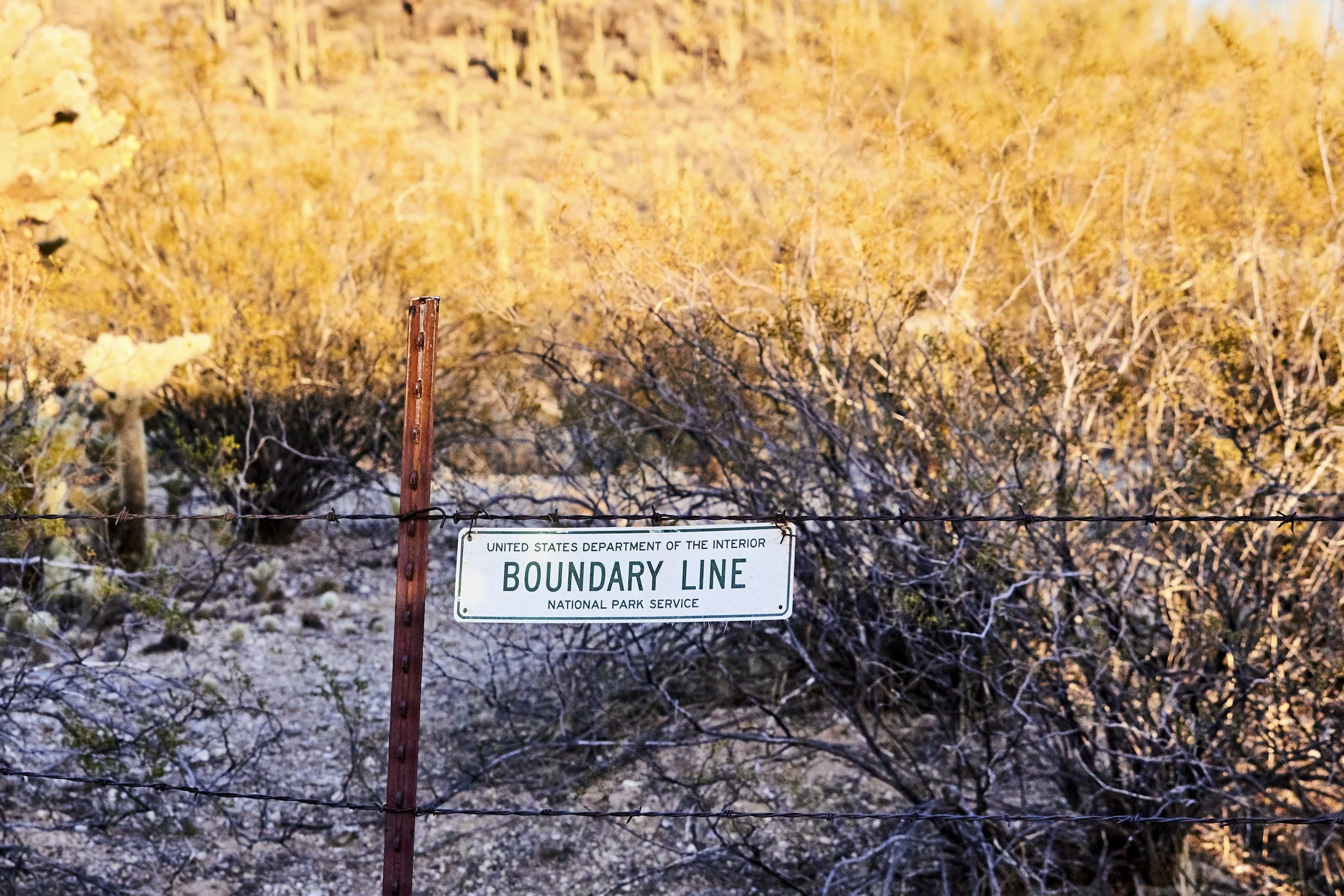
Here are some examples of the different types of boundaries to consider:
Physical boundaries: Protecting your body, space, and safety
Emotional boundaries: Protecting your feelings and mental wellbeing
Time boundaries: Protecting how you spend your time and energy
Digital boundaries: Managing your online presence and communication
Relationship boundaries: Choosing healthy, supportive relationships
So for example, if you are scrolling Facebook and see a post that could potentially impact your recovery (like trigger a lapse or relapse), it’s okay to unfollow that person. That’s you setting a digital boundary to protect your recovery, and mental wellbeing. And remember… do not feel guilty about doing what is best for you!
At first, setting a boundary can feel wrong or harsh, even when it’s necessary. But over time, those small moments of self-advocacy build confidence. As much as you might feel bad for unfollowing that triggering person… it’s better for you in the long run!
Clear boundaries can also strengthen the connections that truly matter. When you’re honest about your limits, you give others the opportunity to show up for you in a healthier way. For example, letting a friend know that certain conversations or environments feel unsafe right now can open the door to more supportive, understanding interactions, rather than leaving room for resentment or emotional exhaustion to build quietly in the background.
And when someone repeatedly ignores or challenges those limits, it can be painful, but it also offers clarity. Recovery is about learning who and what aligns with the life you’re building now, not the one you’re moving on from.
If you’re looking for gentle guidance and practical support around setting and maintaining boundaries, our Safety & Boundaries Kit was created with women in recovery at its heart.