
Journal and Reflection
Creative, trauma-informed journaling tools to help you express emotions, reflect on your journey, and reconnect with yourself.
Journaling: Common Questions
If you’re unsure where to begin or wondering whether journaling is right for you, you’re not alone. These questions are here to help you understand how journaling can support you in recovery, in a way that feels safe, flexible, and supportive.
Below this section are some options for journals that can be purchased online, followed by some free online resources.
However there is no ‘right’ way to journal. Even writing your thoughts and feelings on a blank piece of paper is a step in the right direction!
-
Journaling creates a safe, private space to slow your thoughts down and gently explore what’s going on beneath the surface. In recovery, emotions can feel intense or unfamiliar, and writing helps you notice patterns, process difficult feelings, and reconnect with yourself without judgement.
-
No. Journaling in recovery isn’t about consistency or discipline, it’s about meeting yourself where you are.
Some days you might write a page, other days just a sentence, and some days not at all. All of that is valid. The benefit comes from honesty, not frequency.
-
It can. Writing can help you slow things down and notice what’s going on underneath the urge, without judgement. Over time, this can make it easier to recognise patterns and respond with a bit more care for yourself.
-
Of course! Recovery isn’t tidy, and neither is journaling. Your journal can hold frustration, sadness, anger, or the same thoughts coming up again and again. It doesn’t need to be positive to be helpful, it just needs to be honest.
-
That’s entirely up to you. Some people choose to share parts with a therapist or support worker, others keep it private. There’s no expectation either way, your journal belongs to you.
From Women in Recovery…
Daily Gratitude and De-Stress Journal
Journaling and reflection are powerful tools in women's recovery, offering a safe space to process emotions, track progress, and build self-awareness. Writing helps release internal struggles, reduce stress, and uncover patterns that may influence behaviour.
The 5-Minute Journal by Amy Birch is a guided journaling tool that promotes daily gratitude, mindfulness, and reflection through simple morning and evening prompts, fostering positivity and intentional living. Recommended by Moving On staff and service users.

Our Suggestion…
Productivity Planner
This planner is perfect for people struggling with procrastination and being productive.

Our Suggestion…
1. Grab a pencil
2. Identify which main emotion is causing procrastination
3. Flip to the tab that is relevant to how you are feeling
4. Choose an activity you would like to try and get started!
How to use:
Journal Prompts
What are you grateful for in your own life? Spend the next 10 minutes writing down as many as you can.
How have you seen yourself progress in the past week?
List 5 things you couldn’t live without, and explain why.
Write down the words you most want to hear someone say to you right now.
How are you feeling right now? Don’t hold back.
What’s one skill you’d love to learn?
When you meet new people, what do you want them to know about you?
What’s the next thing you would like to accomplish?
Write a letter to the past, present, or future you.
Free Online Resources

Quick mindfullness prompts for beginners

Reflect on what you are grateful for

Journal Prompts for Alcohol and/or Drug Recovery
Journal prompts to reflect on recovery progress and challenges
Explore the Recovery Toolkit
-
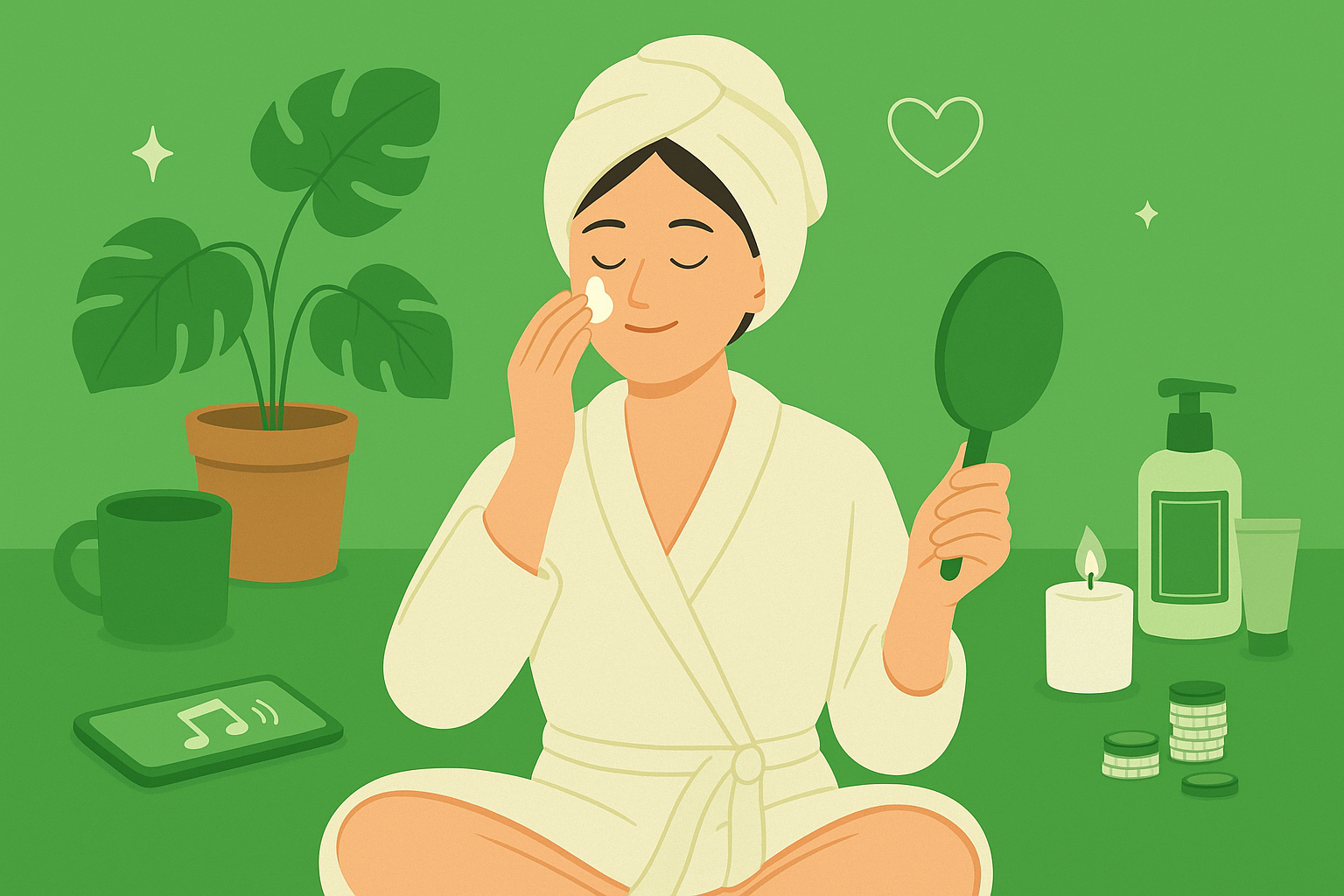
![A woman in a bathrobe with a towel on her head applying skincare with a cotton pad in a wellness setting, surrounded by skincare products, a candle, a plant, a mug, a mirror, and a phone playing music.]()
Self-Care
A gentle guide to self-care in recovery, with simple ideas, tools, and reminders that you are allowed to rest and heal.
-
![A person holding a pen and writing in a notebook on a green surface.]()
Journal and Reflection
Creative, trauma-informed journaling tools to help you express emotions, reflect on your journey, and reconnect with yourself.
-
![Illustration of a family of five members, including a father, mother, two children, and a toddler, standing together against a green background with stars.]()
Family Relationships
Tools, including SMART family and friends, to encourage building and maintaining healthy relationships with those around you.
-
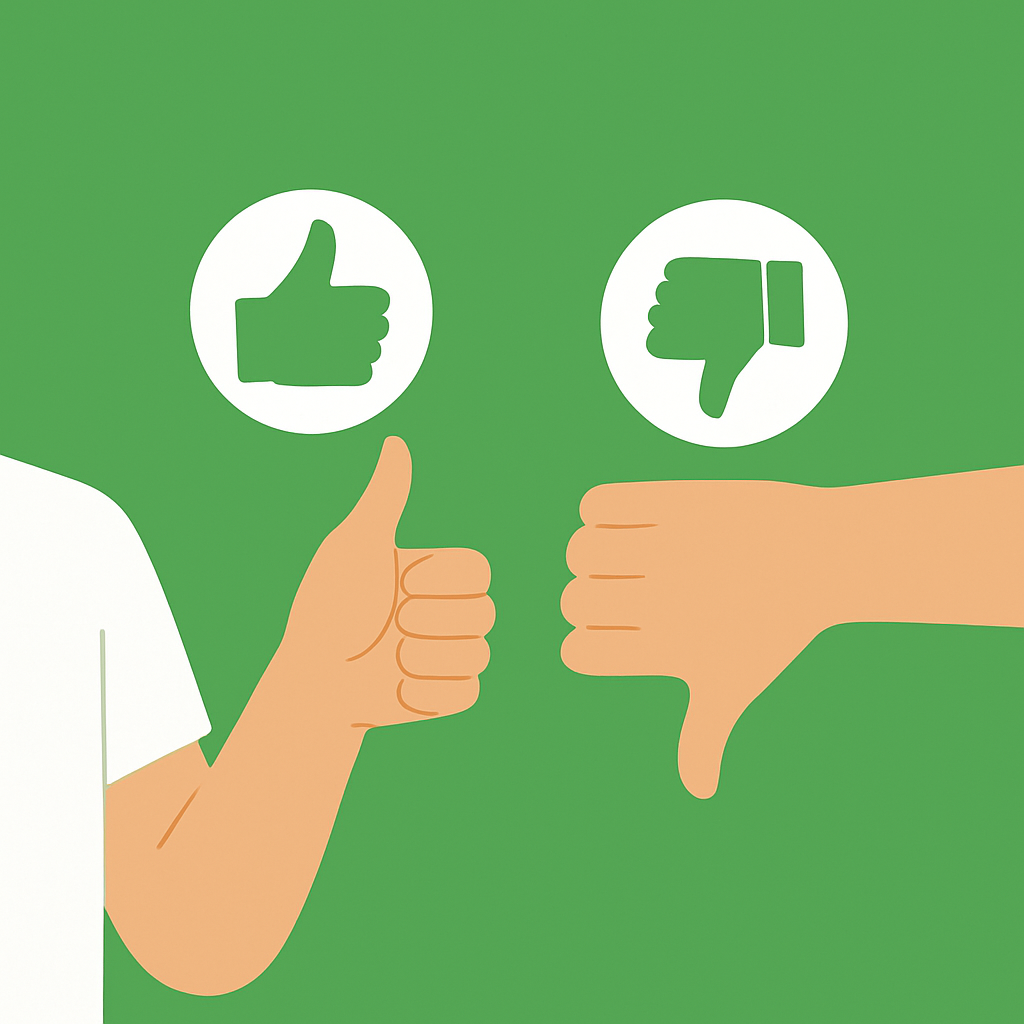
![A person giving a thumbs up with a thumbs up icon, and a person giving a thumbs down with a thumbs down icon, on a green background.]()
Is This Helping Me or Harming Me?
A simple check-in tool to guide choices in recovery, helping you pause, reflect, and respond with self-compassion.
-
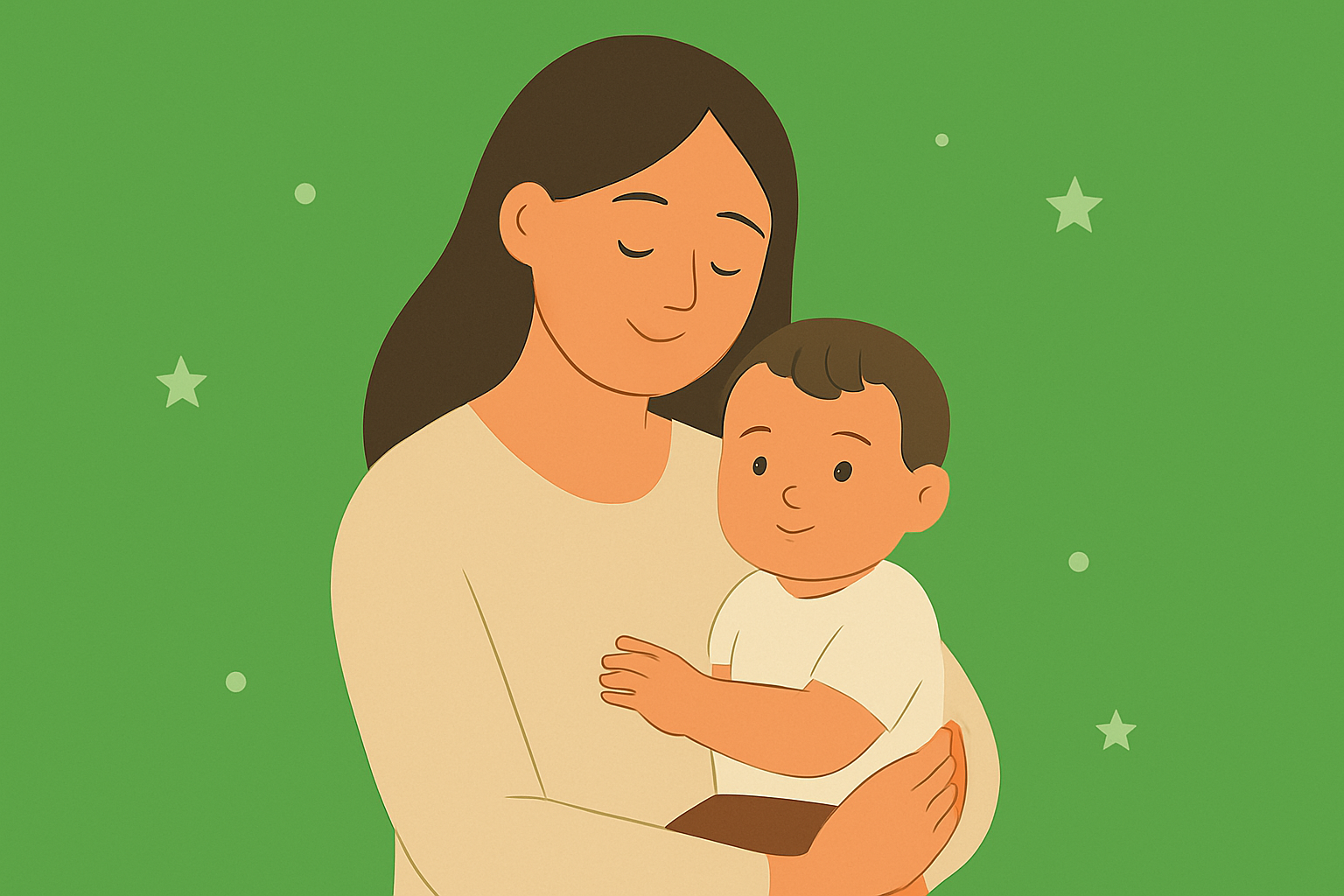
![Illustration of a woman holding a young boy, both smiling softly, with a green background and floating stars.]()
Parenting
A gentle space for mums in recovery- offering support, reassurance, and tools to help you heal while showing up for your children.
-
![]()
Recovery Workbook
A practical, empowering guide supporting alcohol and drug recovery through stories, reflection exercises, routines, self-awareness, connection, and community support.
-
![Two women sitting on a beige couch having a conversation, with a green wall and wall art with plant imagery in the background.]()
Opening Up
A guide to safely opening up to someone you trust, on your terms, without judgment or formal intervention.
-
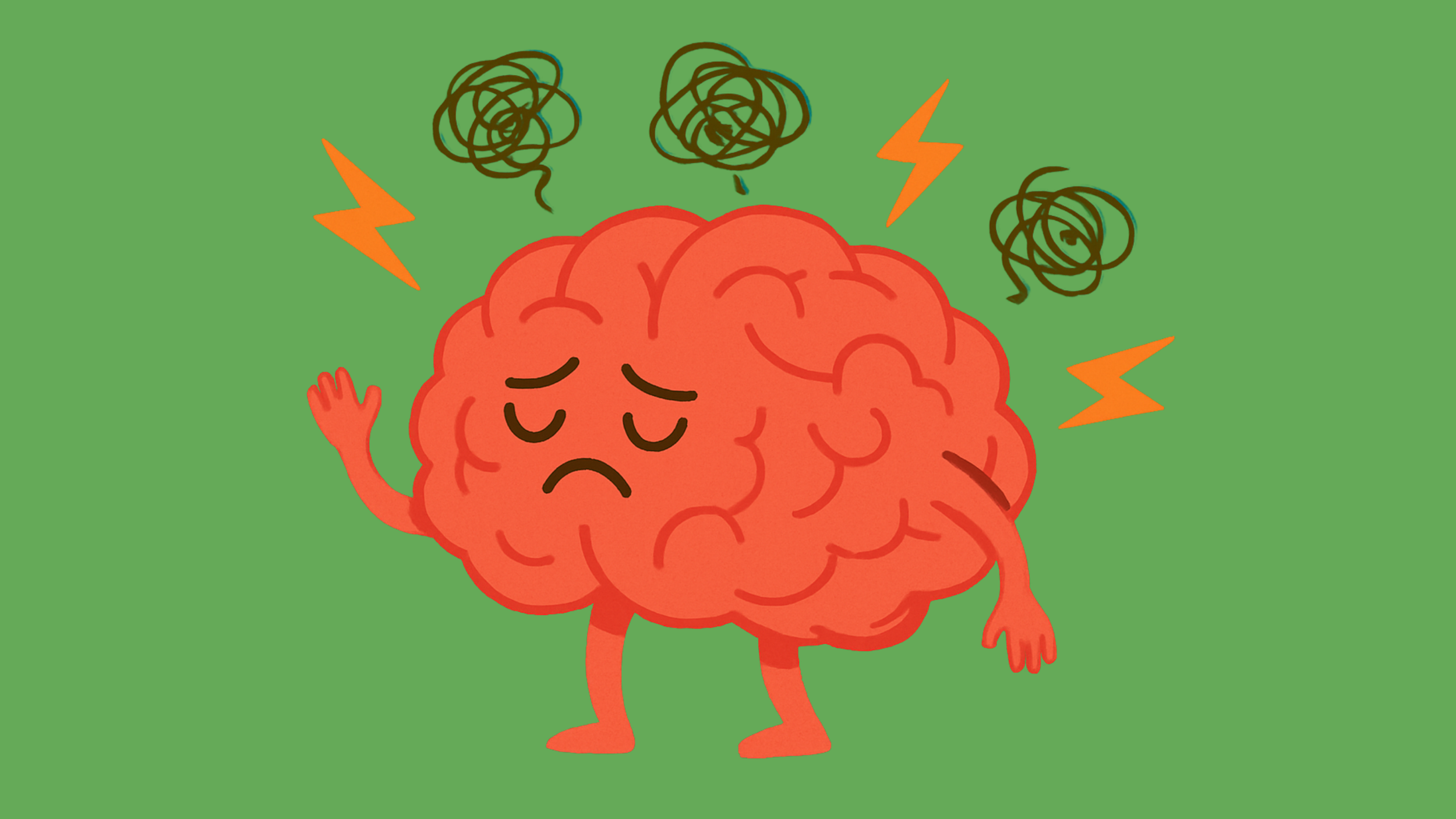
![A cartoon illustration of a distressed brain character with a sad facial expression, raised hand, and bent legs, with scribbles and lightning bolts around it indicating confusion or frustration against a green background.]()
Mental Health and Mood Tracking
Gentle tracking tools to help you notice emotional patterns and support your mental wellbeing day by day.
-
![Two people giving each other a high five against a green background.]()
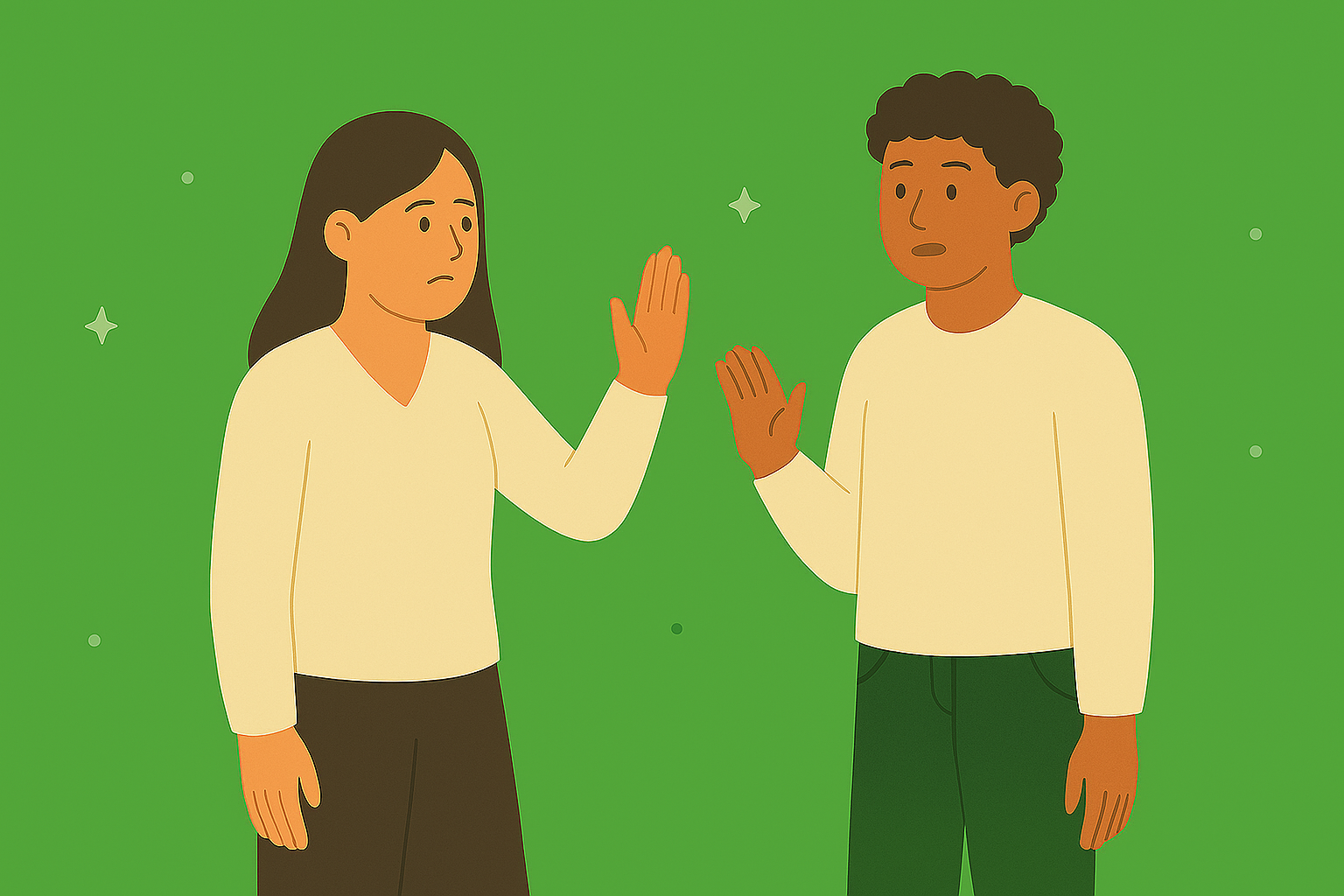
Safety and Boundaries Kit
Practical tools and gentle guidance to help you set, hold, and communicate boundaries in everyday life and relationships.
-
![Digital illustration of a laptop with social media and web icons, smartphones displaying images, and a stack of gold coins on a green background.]()
Digital Resources
A guide on using technology to connect, learn, and grow in your recovery.
-
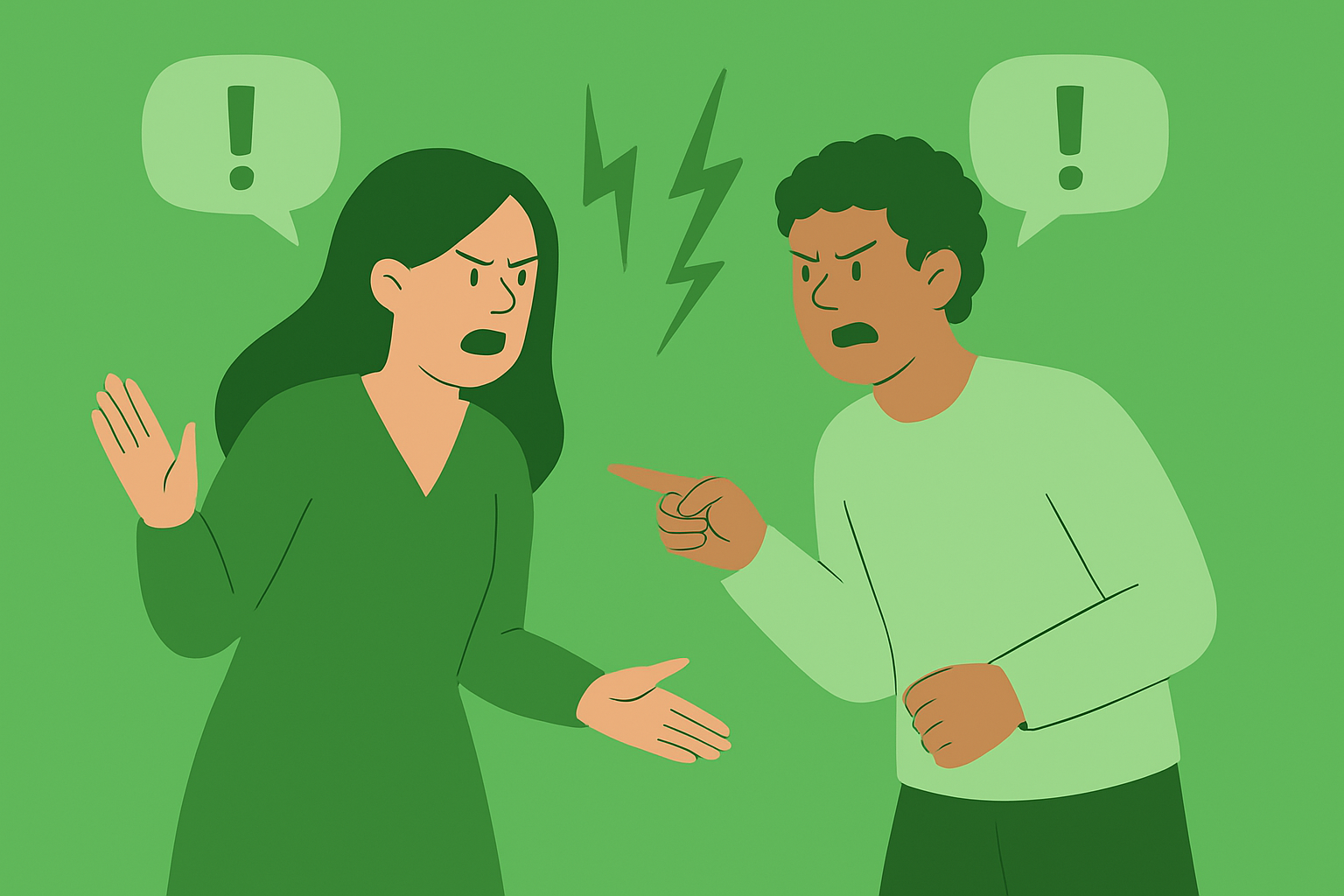
![Illustration of a woman and a man arguing, with angry facial expressions and speech bubbles with exclamation marks. The woman has long dark hair and is wearing a green dress, and the man has curly dark hair and is wearing a light green shirt.]()
Relationships
Support for building healthy relationships and recognising abuse, reminding you that love shouldn’t hurt.
-
![Stack of green paper bills with a band around them and three stacks of gold coins with dollar signs on a green background.]()
Managing Money
Tools to help you budget and manage your money wisely.
-
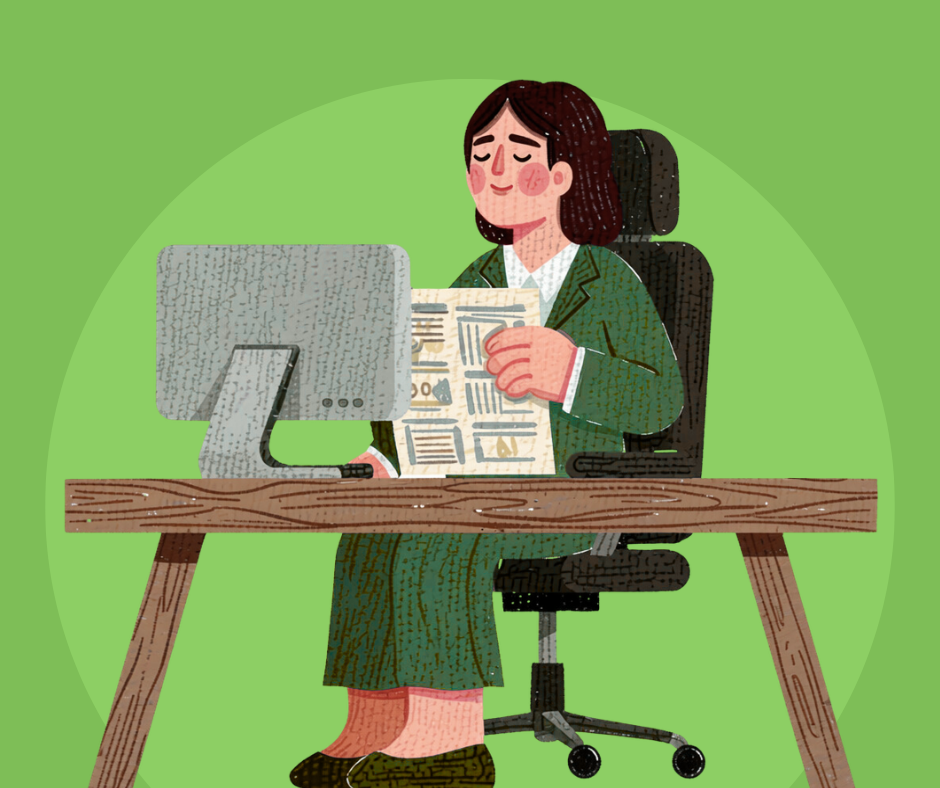
![A woman sitting at her desk, reading a newspaper, with a computer in front of her, against a green background.]()
Employment
Whether you’re ready to start working, volunteering, studying, or just exploring your options, this page is here to support you.