
Employment
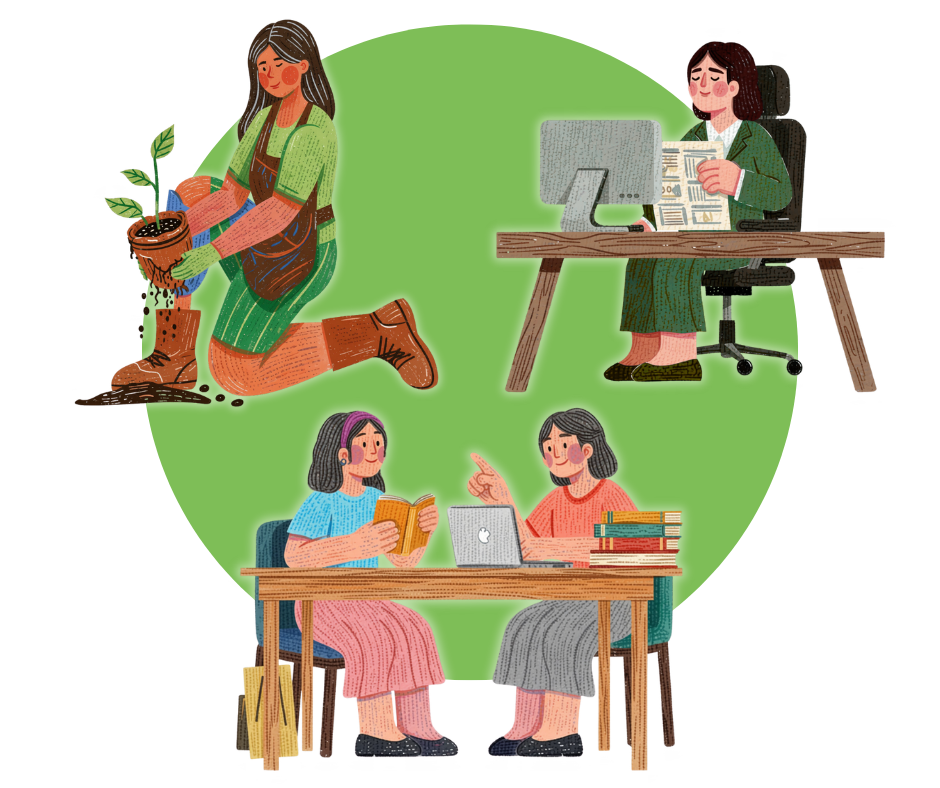
Whether you’re ready to start working, volunteering, studying, or just exploring your options, this page is here to support you.
Thinking about employment in recovery can bring up a mix of emotions. There is no ‘right time’ or perfect path. You are allowed to move at a pace that feels safe and manageable for you!
Remember- Recovery comes first, it’s okay if you aren’t ready yet.
How can employment support recovery?
Work opportunities can offer more than just income. It can help you:
Build routine and structure
grow confidence and independence
Feel a sense of purpose
Connect with others in a positive environment
Steps towards employment:
-
You don’t have to jump straight into full-time work.
You might begin with:
Volunteering
Short courses or training
Part-time or flexible roles
-
Update your CV slowly
Focus on your strengths
-
Speak to a support worker or recovery service
Look for employment programmes designed for people in recovery
Your rights at work:
Under the Equality Act 2010, you are protected from discrimination based on:
Gender
Pregnancy or maternity
Disability (including some mental health conditions or addiction recovery in certain circumstances)
You are not always required to disclose your recovery history to an employer unless it directly affects your role or safety.

Looking after yourself at work:
Set realistic expectations
Take breaks when needed
Stay connected to your recovery support network
Be honest with yourself if something doesn’t feel right
Explore our Resources



Explore the Recovery Toolkit
-
![A woman in a bathrobe with a towel on her head applying skincare with a cotton pad in a wellness setting, surrounded by skincare products, a candle, a plant, a mug, a mirror, and a phone playing music.]()
Self-Care
A gentle guide to self-care in recovery, with simple ideas, tools, and reminders that you are allowed to rest and heal.
-
![A person holding a pen and writing in a notebook on a green surface.]()
Journal and Reflection
Creative, trauma-informed journaling tools to help you express emotions, reflect on your journey, and reconnect with yourself.
-
![Illustration of a family of five members, including a father, mother, two children, and a toddler, standing together against a green background with stars.]()
Family Relationships
Tools, including SMART family and friends, to encourage building and maintaining healthy relationships with those around you.
-
![A person giving a thumbs up with a thumbs up icon, and a person giving a thumbs down with a thumbs down icon, on a green background.]()
Is This Helping Me or Harming Me?
A simple check-in tool to guide choices in recovery, helping you pause, reflect, and respond with self-compassion.
-
![Illustration of a woman holding a young boy, both smiling softly, with a green background and floating stars.]()
Parenting
A gentle space for mums in recovery- offering support, reassurance, and tools to help you heal while showing up for your children.
-
![]()
Recovery Workbook
A practical, empowering guide supporting alcohol and drug recovery through stories, reflection exercises, routines, self-awareness, connection, and community support.
-
![Two women sitting on a beige couch having a conversation, with a green wall and wall art with plant imagery in the background.]()
Opening Up
A guide to safely opening up to someone you trust, on your terms, without judgment or formal intervention.
-
![A cartoon illustration of a distressed brain character with a sad facial expression, raised hand, and bent legs, with scribbles and lightning bolts around it indicating confusion or frustration against a green background.]()
Mental Health and Wellbeing
Gentle tracking tools to help you notice emotional patterns and support your mental wellbeing day by day.
-
![Digital illustration of a laptop with social media and web icons, smartphones displaying images, and a stack of gold coins on a green background.]()
Digital Resources
A guide on using technology to connect, learn, and grow in your recovery.
-
![Illustration of a woman and a man arguing, with angry facial expressions and speech bubbles with exclamation marks. The woman has long dark hair and is wearing a green dress, and the man has curly dark hair and is wearing a light green shirt.]()
Relationships
Support for building healthy relationships and recognising abuse, reminding you that love shouldn’t hurt.
-
![Stack of green paper bills with a band around them and three stacks of gold coins with dollar signs on a green background.]()
Managing Money
Tools to help you budget and manage your money wisely.